
Participation and Communication
Review
[Other] Where is education going in this era? -College student-
▶Special coverage
From the perspective of teachers in the 80s“Where is education going in this era?”
- College student episode -
As the World Educational Cultural Aid has been supporting the education of many children at home and abroad, I wanted to get to know the thoughts of children more closely. What do domestic children near us think about their lives? Also, how do teachers in the educational field achieve harmony with our children and share each other's thoughts? I decided to ask myself various questions that came to mind, such as:
So, I listened to the story of a teacher born in the 1980s who is the most active in the current education field and is at the starting point of the millennial generation that has experienced rapid changes in IT technology.
Q. Please introduce yourself~
- hello. I am an adjunct professor teaching students majoring in early childhood education.
Q. How is life as a professor these days?
- Originally, the semester started in the first week of April, but I suddenly received a call and was told that the online semester would start from March 16th. So I make a living filming class videos. We recreated all the class materials by reviewing pictures, fonts, and other materials that did not violate copyright. ha ha ha...
Q. How are college students these days?
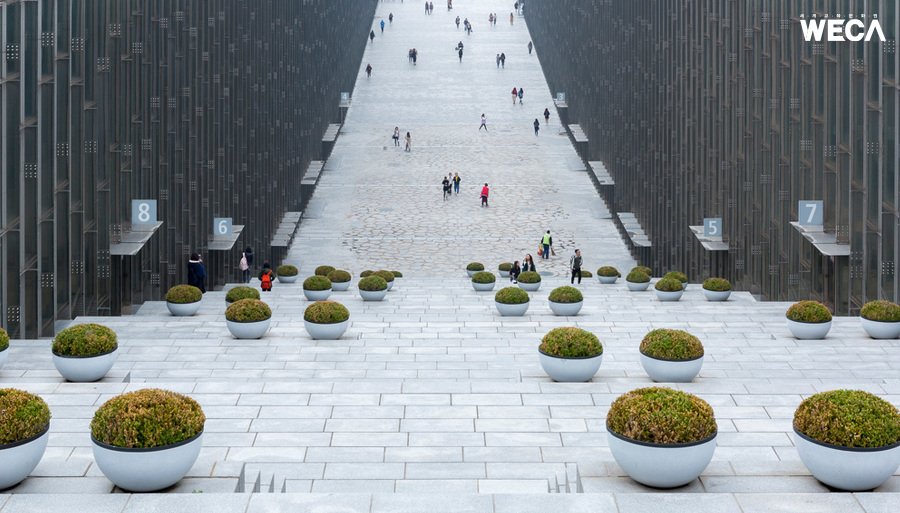
- I don't think there's much difference from high school students. College students are not adults either. They're like kids. In the past, students had to check their earned credits according to the school rules for managing their own credits. So, since I was teaching adults, I thought I only had to worry about class, but that wasn't the case. There are times when I need to manage my mental health and communicate with parents.
Q. How is the school life and class culture of college students?
- We have a strong culture. The peer culture is strong... I think they try to take care of their own lives to some extent. No matter how busy I am, I try to secure the parts that I personally enjoy while attending school. What do you call work-life balance? Hehe~ Oh, and he expresses his thoughts well without hesitation. Also.. without taking your smartphone out of your hand..
Q. Oh, yes. There are so many cultures. haha. What do you think of the professor looking at that?
- It's rough. Develop it yourself and actively develop it. Some students come by studying psychology before entering school, others come by earning a certificate in origami, or learn story-telling. This is a generation that learned to be smart from a young age, for example, by helping their parents gain various cultural experiences, or by taking for granted a culture where they can speak their minds democratically through regular family meetings. If you vaguely think that kids these days are spoiled, I don't think it's a good idea to judge them based on Confucianism. They had no choice but to grow up that way, that's how they were raised.

Q. Due to the nature of the subject you teach, are there any differences in the attitude and attitude of the children toward whom you are taught?
- Well, rather than that, there are parts that resemble the characteristics of the department as each year and grade increases. Adapting to the department. It means going according to that tendency. First grade just feels raw. If you say you haven't been able to shake off the days of high school, you've started to smell like a kindergarten teacher since you entered second grade, right?! In my first year, I spoke very freely, but in my second year, my language became more refined, and things like that seem to be clearly visible.
Q. How is your relationship with students?
- It's a homeroom system, so it's close. As I said before, you have to take care of your mental health and sometimes you have to communicate with parents, so there are many opportunities to become closer.
Q. Is there a student you particularly cherish or give a special difficult time to?
- There is a student who is having a particularly hard time. Hohoho~ Due to the nature of our department, we have a lot of group projects. However, since we are working on a project with children who are so open, free, and have strong personalities, there will be a lot of things that need to be coordinated during the process. There are some children who have difficulty in the process and want to give up. When you give counseling and think about various things about that child, it becomes difficult when the advice from the professor, the advice from the teacher, and the advice from you are all different. haha
Q. Korea’s education policy these days. What do you think?
- hmm. It's difficult... ah...
Q. It seems like you are disappointed with the direction of education?
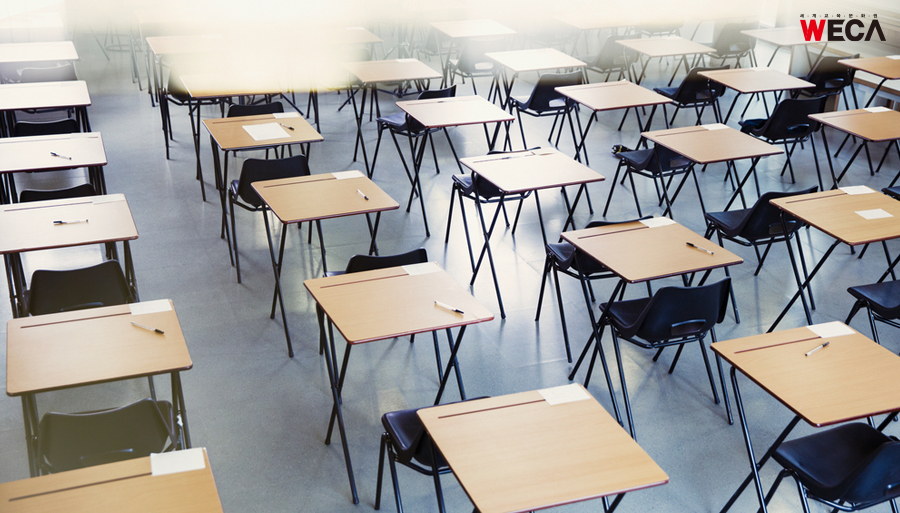
- huh. I think it's connected to something that's a bit disappointing, but is it changing so quickly that you wonder if there's a policy? I think so. Education has been around for a hundred years (It is said that 'education is a year's work,' and that means that even if the results do not come out consistently and quickly, it would be nice to have consistent beliefs, but as you know, things change a lot, so I think the school and parents as a whole are fluctuating. Of course, the curriculum must change according to the times and social demands, but I would like to maintain the broad framework of beliefs and purposes and foster the overall vision of talent within that, but that seems to be very difficult.
Q. If I could change education policy or structure, what would you do first?
- I think we need to analyze and consult children well based on the era and generational culture, and take a course of convergence subjects in addition to philosophy in an effective period and method, no matter how long the semester is. One of the human resources skills needed in the era of the 4th Industrial Revolution is 'cooperator', but I think that our children do not have time to think about relationships or opportunities to face and recognize themselves as well as others... And one more thing, I think relative evaluation should be eliminated. Now, we need to evaluate how much we have gained from lectures and projects rather than who is better than others. Relative evaluation involves excessive competition between individuals, preventing students from learning collaboration and forcing them to study for exams and grades. We have entered the era of the 4th Industrial Revolution, and I think we should focus on developing creativity and expertise rather than on interpersonal competition.
Q. How would you look at yourself as a professor, not as a professor, but as someone born in the 1980s?
- They work really hard...hohoho~~ No, I was just joking, but there are a lot of people who really work hard in the education field. This is why teachers and professors are trying so hard to cultivate talent among children who are growing up at odds with the direction of the school. When you look at me from that perspective, do you feel proud of me? That's how much I think. Hehe~

academic.
In fact, there are many students who truly live the life they wanted during their first or second year. It is true that it is a turning point in my life in many ways, such as having fun like crazy, doing self-development and traveling, which I was unable to do because of college entrance. It is rare for students who are not interested in playing to think about their career path in advance and actually start preparing for qualifications or exams. However, things change after experiencing the second disease. It is also the time when we suffer the most from extreme anxiety about the future. When I was a teenager, the simple conclusion was that I would eventually take the entrance exam, and all I had to do was focus on my studies even though I was confused in many ways, but this is not the case for college students. It's natural to be confused as you go from having extremely narrow options to drastically broadening them in just one year.
‘College students in Korea’ section_Source from Namu Wiki
While talking with the professor, the pleasant and bold stories portrayed the image of today's 'college students' without any filtering. Of course, we cannot help but admit that the character of the cheerful and bold professor contains a lot of subjective thoughts, but despite this, he is an adult college student living in this era. I was able to see college students taking their first steps into social life while going through growing pains. In addition, I was able to gauge the current status of higher education in Korea, and I thought that there would be different educational concerns from middle and high school students. As expected, I would like to give generous praise and applause to the professors and teachers who are working hard at the forefront of educational institutions nurturing Korea's talented students. Special series 'Where is education going in this era?' At the end of the report, I would like to express my gratitude to the middle and high school teachers and professors who agreed to be interviewed.
-end-